
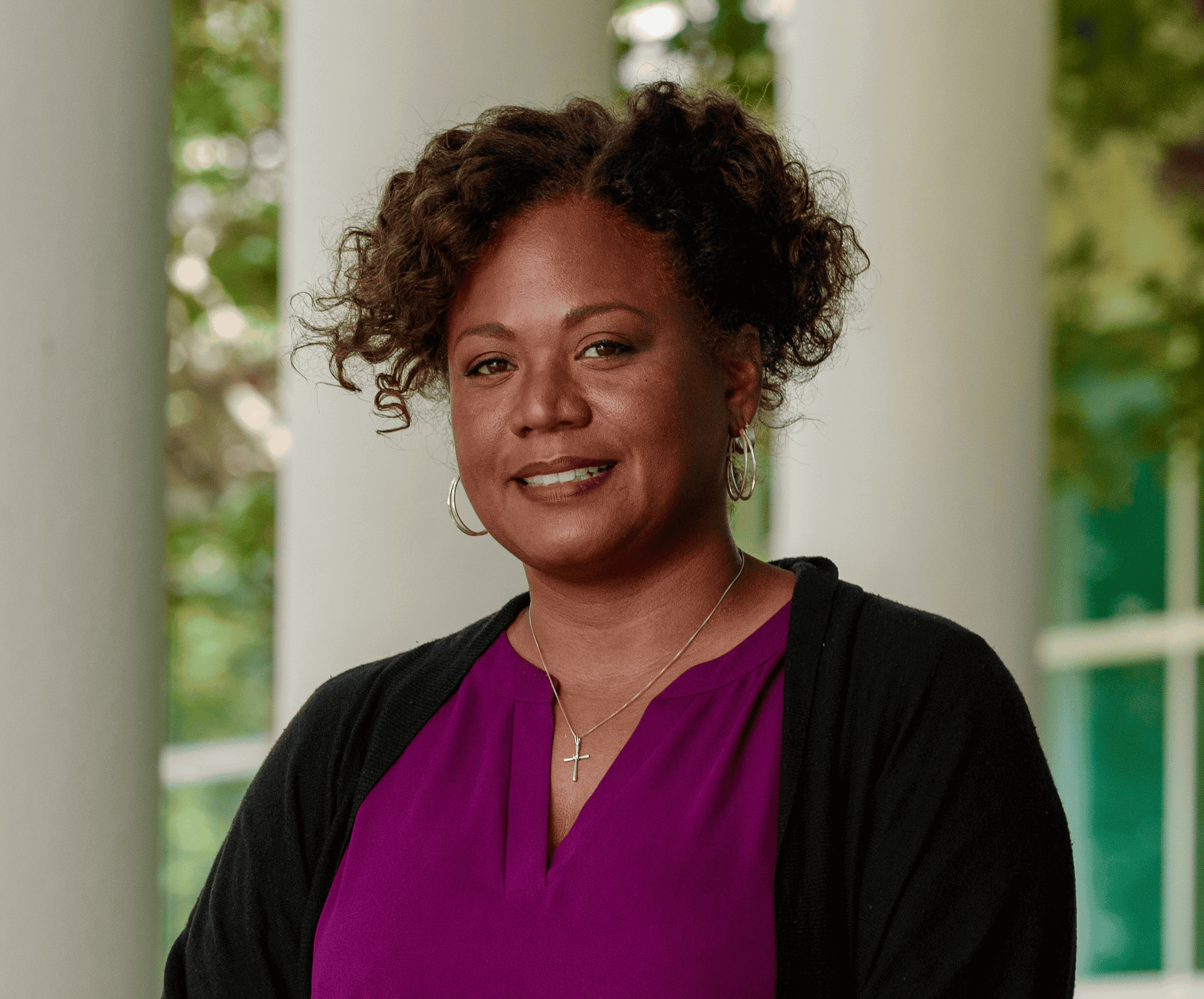
Dr. Naola Ferguson-Noel
Professor at The University of Georgia
Dr. Naola Ferguson-Noel is a professor at the University of Georgia’s Poultry Diagnostic and Research Center, specializing in avian mycoplasma.
Read more about Dr. Ferguson-Noel
She earned her DVM from the University of the West Indies and later completed a Master’s in Avian Medicine and a PhD in Medical Microbiology at UGA. She provides clinical mycoplasmology services to the poultry industry and has conducted extensive research in disease control and diagnostics. She has authored several scientific publications and frequently leads workshops and continuing education seminars. In 2022, she was named UGA’s Inventor of the Year and elected a Fellow of the National Academy of Inventors recognizing the global impact of her work with poultry vaccines.
Naola Ferguson-Noel, DVM, MAM, PhD
University of Georgia
Professor
Poultry Diagnostic & Research Center
953 College Station Rd.
Athens, GA 30602
p: 706-542-5646
e: naolaf@uga.edu
w: http://vet.uga.edu/pdrc/person/naola_ferguson_noel
Dr. Melodi Anahtar
Program Manager for the Department of Immunology and Infectious Diseases at the Harvard T.H. Chan School of Public Health
Over the past 10+ years, Dr. Melodi Anahtar has trained in labs spanning a wide range of sub-disciplines within bioengineering with the goal of creating translatable scientific advances that can improve human health.
Read more about Dr. Anahtar
After earning her Bachelor’s in Biological Engineering at MIT, she completed her graduate work in the Harvard-MIT Health Sciences and Technology program. Throughout her PhD and subsequent post-doc, she developed novel nanotechnologies to breath and urinary readouts of community-acquired pneumonia and lung cancer. This experience with diagnostics and infectious disease brought her to the Harvard T.H. Chan School of Public Health, where she has been working to create a novel serological tool for high-throughput surveillance of vector-borne diseases and the vectors that carry them.

Dr. Melodi Anahtar
Program Manager for the Department of Immunology and Infectious Diseases at the Harvard T.H. Chan School of Public Health
Over the past 10+ years, Dr. Melodi Anahtar has trained in labs spanning a wide range of sub-disciplines within bioengineering with the goal of creating translatable scientific advances that can improve human health.
Read more about Dr. Anahtar
After earning her Bachelor’s in Biological Engineering at MIT, she completed her graduate work in the Harvard-MIT Health Sciences and Technology program. Throughout her PhD and subsequent post-doc, she developed novel nanotechnologies to breath and urinary readouts of community-acquired pneumonia and lung cancer. This experience with diagnostics and infectious disease brought her to the Harvard T.H. Chan School of Public Health, where she has been working to create a novel serological tool for high-throughput surveillance of vector-borne diseases and the vectors that carry them.
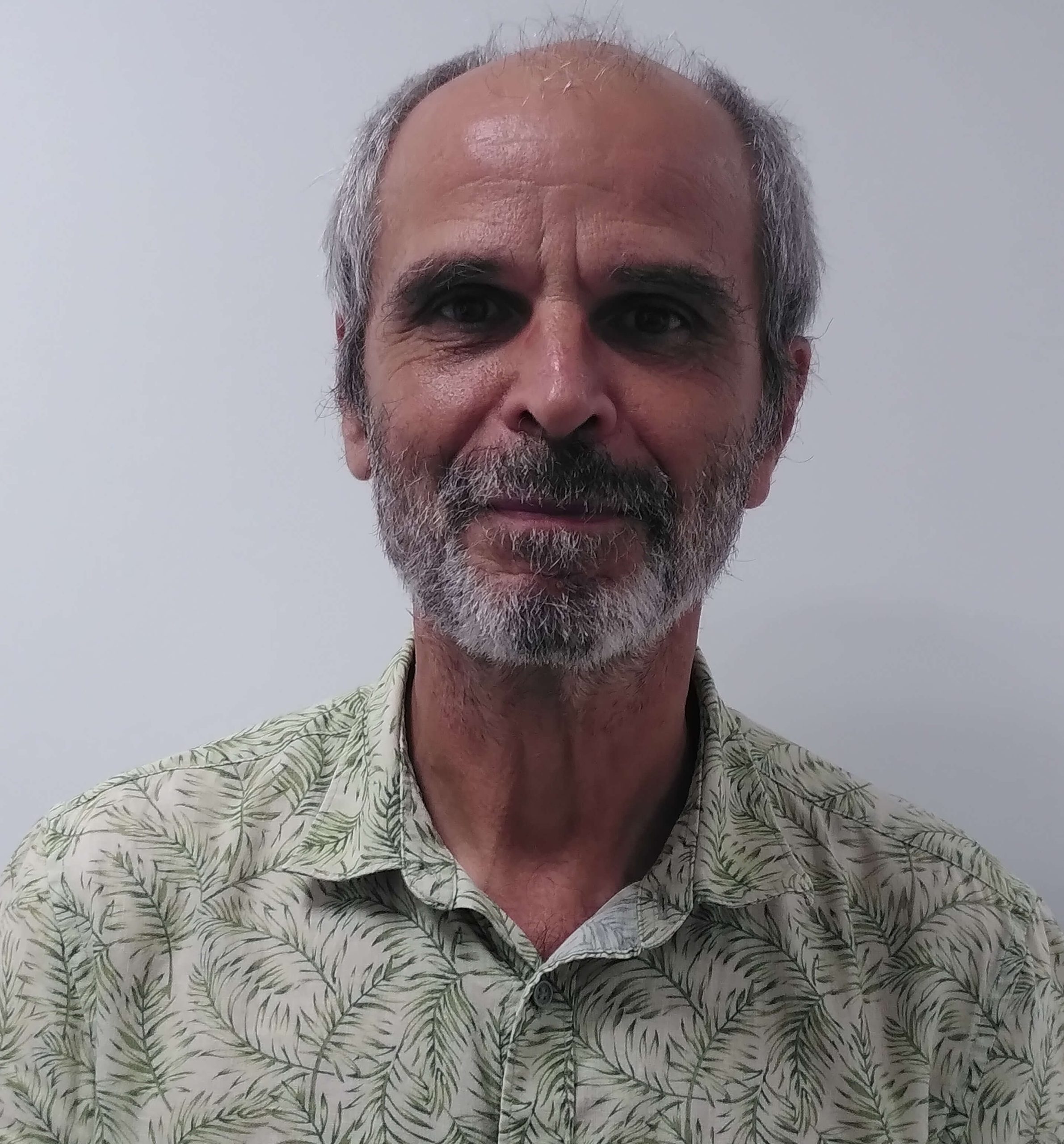
Dr. Jean-Bernard Duchemin
MD, PhD Lab Head | Medical Entomology Unit, Institut Pasteur of French Guiana Arbovirus and Insect Vectors, Institut Pasteur | Inserm UA17
Trained as medical doctor and then medical entomologist, Dr. Jean-Bernard Duchemin has spent 15 years in the International Network of Institut Pasteur to study malaria and plague in their diverse transmission modalities, then seven years on arboviruses in Australia (CSIRO).
Read more about Dr. Duchemin
Since 2018, at the Institut Pasteur of French Guiana, he has been leading projects targeting the rich Amazonian diversity in the field (transmission factors, trapping), as well as the laboratory (BSL3 insectary) to detail the local and emerging arboviruses. He is also very interested by the behavior of mosquitoes and the viral neurotropism. A strong interest in Public Health and sustainability drove me to address the question of alternatives to chemical vector control.
Dr. Kirk Douglas
Director of the Centre for Biosecurity Studies at The University of the West Indies, Cave Hill Campus
Dr. Kirk Douglas is the Director of the Centre for Biosecurity Studies at the University of the West Indies, Cave Hill campus.
Read more about Dr. Douglas
He is a professional senior scientist recognized both regionally and internationally for impactful scientific research in the fields of virology, zoonoses, biosecurity, climate change, microbiology, and infectious diseases. He has earned a Bachelor of Science (B.Sc.) degree in Microbiology (2001), a Master of Philosophy (M.Phil.) degree in Microbiology (2007) and a Doctor of Philosophy (Ph.D.) degree in Medical Microbiology (2020) from the University of the West Indies, Cave Hill, Barbados. In addition, he holds a Master of Business Administration (MBA) degree with Merit Honours (2019) from Warwick Business School (WBS), University of Warwick, United Kingdom.
His scientific research led to several novel findings of zoonotic viruses present in Barbados and the Caribbean including ‘bird flu’, dengue virus, Chikungunya, Zika virus, West Nile Virus, orthohantaviruses, arenaviruses and cowpox viruses. He has authored multiple peer-reviewed scientific papers in the fields of microbiology, virology, biosecurity, climate change, infectious diseases and zoonoses which have received over 100 citations. He has played significant roles in regional (Caribbean) consultations with CIRAD, CIFOR, SWM, CCCCC, Ministry of Health, PAHO, OIE, CITES, GCF, and UNODC. His current research interests include zoonoses, infectious diseases, air pollution, wildfires, climate change, bioeconomy, sustainability, illegal wildlife trade, border security, The Blue Economy, environmental pollution, and ecosystem health.
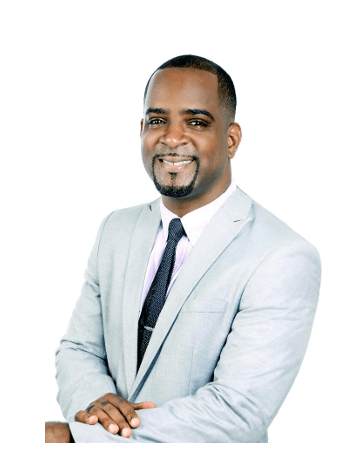
Dr. Kirk Douglas
Director of the Centre for Biosecurity Studies at The University of the West Indies, Cave Hill Campus
Dr. Kirk Douglas is the Director of the Centre for Biosecurity Studies at the University of the West Indies, Cave Hill campus.
Read more about Dr. Douglas
He is a professional senior scientist recognized both regionally and internationally for impactful scientific research in the fields of virology, zoonoses, biosecurity, climate change, microbiology, and infectious diseases. He has earned a Bachelor of Science (B.Sc.) degree in Microbiology (2001), a Master of Philosophy (M.Phil.) degree in Microbiology (2007) and a Doctor of Philosophy (Ph.D.) degree in Medical Microbiology (2020) from the University of the West Indies, Cave Hill, Barbados. In addition, he holds a Master of Business Administration (MBA) degree with Merit Honours (2019) from Warwick Business School (WBS), University of Warwick, United Kingdom.
His scientific research led to several novel findings of zoonotic viruses present in Barbados and the Caribbean including ‘bird flu’, dengue virus, Chikungunya, Zika virus, West Nile Virus, orthohantaviruses, arenaviruses and cowpox viruses. He has authored multiple peer-reviewed scientific papers in the fields of microbiology, virology, biosecurity, climate change, infectious diseases and zoonoses which have received over 100 citations. He has played significant roles in regional (Caribbean) consultations with CIRAD, CIFOR, SWM, CCCCC, Ministry of Health, PAHO, OIE, CITES, GCF, and UNODC. His current research interests include zoonoses, infectious diseases, air pollution, wildfires, climate change, bioeconomy, sustainability, illegal wildlife trade, border security, The Blue Economy, environmental pollution, and ecosystem health.
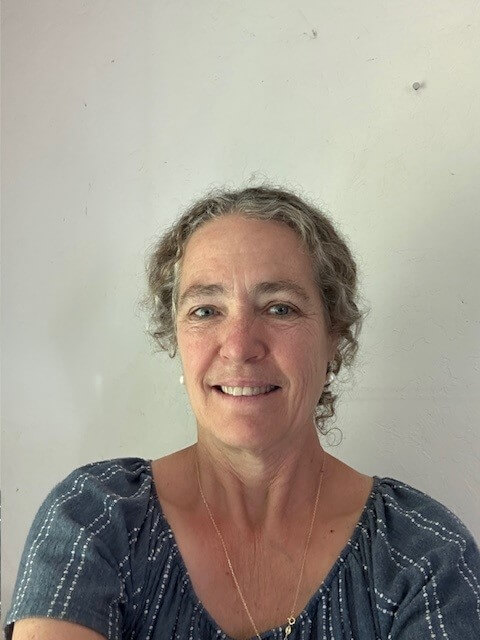
Dr. Janet Foley
Veterinarian and Ecologist at UC Davis
Janet Foley is a veterinarian and ecologist studying ticks and tick-borne diseases at UC Davis.
Read more about Dr. Foley
She grew up in Maine before the expansion of tick populations in the state and has been fascinated by how natural, usually rodent-based, communities can impact the risks of diseases in people and other animals. She has several hundred peer-reviewed publications, many focusing on land use change, fire, and other anthropogenic factors that influence disease. Her most recent studies relate to emerging and invasive ticks and the threat of Rocky Mountain spotted fever. When not working with ticks, she enjoys several different volunteer activities in her community, playing with grandkids, cooking fearlessly (if not always successfully), and gardening. And mostly, her cats- shout out to Piper!
Dr. Joy St. John
Vice Chair of the Technical Advisory Panel of the Pandemic Fund Board
Dr Joy St John’s 30 plus years in Public Health have allowed her to give service at the national, regional and global levels.
Read more about Dr. Joy St. John
She was the first Caribbean person to Chair the Executive Board of WHO and the first Barbadian Assistant Director General at WHO with responsibility for Climate and Other Determinants of Health.
She has focused on Health Systems Strengthening at each stage of her career, with particular focus on the harmful effects of Climate Change on Health, Non-Communicable Diseases and Health Security.
Dr St John was fortunate to lead the CARICOM regional public health response to the COVID-19 pandemic when she was the Executive Director at CARPHA.
She is currently Vice Chair of the Technical Advisory Panel of the Pandemic Fund Board
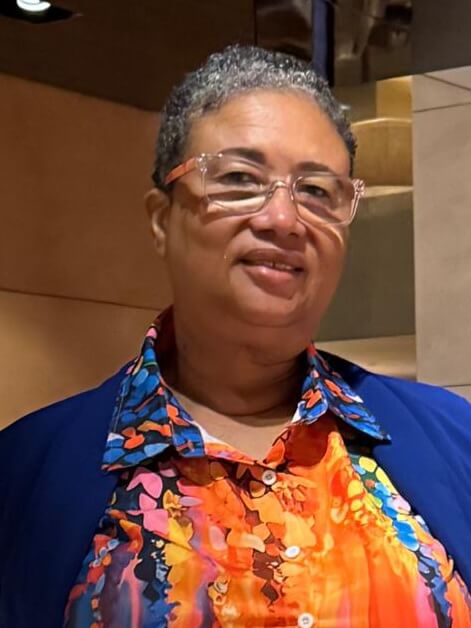
Dr. Joy St. John
Vice Chair of the Technical Advisory Panel of the Pandemic Fund Board
Dr Joy St John’s 30 plus years in Public Health have allowed her to give service at the national, regional and global levels.
Read more about Dr. Joy St. John
She was the first Caribbean person to Chair the Executive Board of WHO and the first Barbadian Assistant Director General at WHO with responsibility for Climate and Other Determinants of Health.
She has focused on Health Systems Strengthening at each stage of her career, with particular focus on the harmful effects of Climate Change on Health, Non-Communicable Diseases and Health Security.
Dr St John was fortunate to lead the CARICOM regional public health response to the COVID-19 pandemic when she was the Executive Director at CARPHA.
She is currently Vice Chair of the Technical Advisory Panel of the Pandemic Fund Board
Dr. Sylvie Lecollinet
Senior Researcher in Virology at CIRAD, UMR ASTRE, Guadeloupe
Dr. Sylvie Lecollinet (DVM, PhD, HDR) is a veterinarian and senior virologist at CIRAD, based in Guadeloupe.
Read more about Dr. Lecollinet
Within the ASTRE research unit and the CaribVet network, she studies zoonotic arboviruses affecting animal and human health in the French West Indies and the wider Caribbean. Formerly coordinator of French and EU reference activities on West Nile and equine encephalitis viruses (ANSES, 2007–2020), her work focuses on the eco-epidemiology and emergence of mosquito-, midge-, and tick-borne pathogens. She recently coordinated the TISARU project, bringing together CIRAD, INRAE, ANSES, Ross University, and local services to map tick- and midge-borne diseases such as bluetongue and epizootic hemorrhagic disease. She also investigated the 2024 West Nile virus emergence in Guadeloupe and Martinique and contributes to expert groups assessing the risk of emerging viruses, including Oropouche, in the region, promoting integrated One Health approaches.
Dr. Janine Seetahal
Assistant Professor/ Head for Rabies Laboratory at Kansas Veterinary Diagnostic Laboratory in Kansas State University
Dr. Janine Seetahal is an Assistant Professor at Kansas State University, where she provides oversight and leadership for the Rabies Laboratory at the Veterinary Diagnostic Laboratory.
Read more about Dr. Seetahal
She previously spent many years as a government veterinarian in Trinidad and Tobago, gaining essential knowledge and skills in regulatory medicine in particular zoonotic disease surveillance and control, port health and trade in animals and animal products. Her interest in public health led her to research the epidemiology of rabies viruses in Trinidad and later investigate the influence of island to continent bat movement as it pertains to bat viruses and the epidemiology of rabies. This combination of experiences has allowed her to guide policies and protocols on rabies control and prevention in the Caribbean. In her current role Dr. Seetahal promotes the implementation of evidence-based One-Health contextualized programs and policies for rabies prevention and control on the global scale and contributes to the progression of diagnostic and medical advancements in the field of rabies.
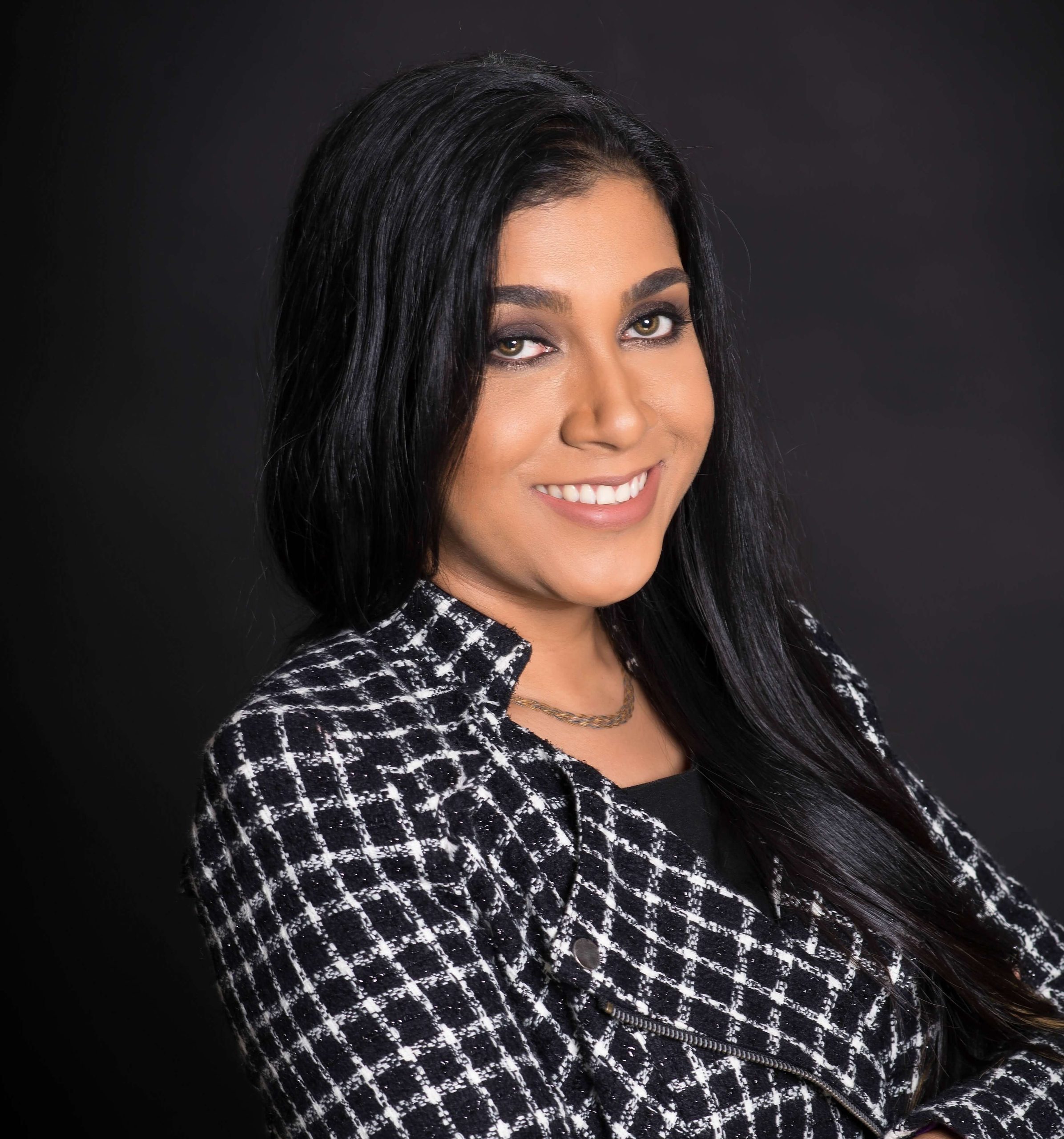
Dr. Janine Seetahal
Assistant Professor/ Head for Rabies Laboratory at Kansas Veterinary Diagnostic Laboratory in Kansas State University
Dr. Janine Seetahal is an Assistant Professor at Kansas State University, where she provides oversight and leadership for the Rabies Laboratory at the Veterinary Diagnostic Laboratory.
Read more about Dr. Seetahal
She previously spent many years as a government veterinarian in Trinidad and Tobago, gaining essential knowledge and skills in regulatory medicine in particular zoonotic disease surveillance and control, port health and trade in animals and animal products. Her interest in public health led her to research the epidemiology of rabies viruses in Trinidad and later investigate the influence of island to continent bat movement as it pertains to bat viruses and the epidemiology of rabies. This combination of experiences has allowed her to guide policies and protocols on rabies control and prevention in the Caribbean. In her current role Dr. Seetahal promotes the implementation of evidence-based One-Health contextualized programs and policies for rabies prevention and control on the global scale and contributes to the progression of diagnostic and medical advancements in the field of rabies.
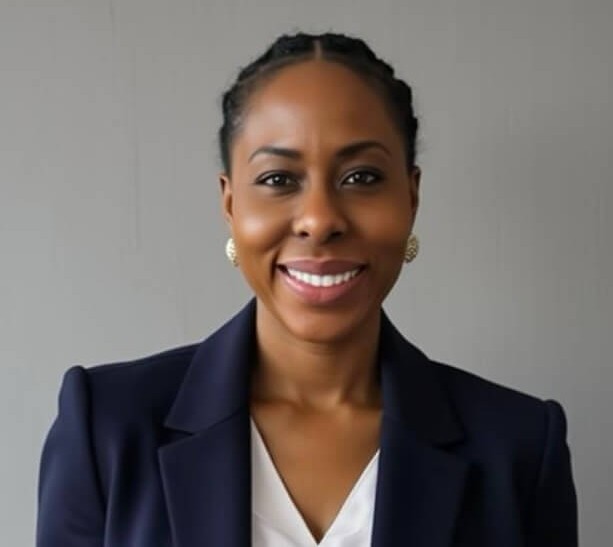
Dr. Simone Stoute
Professor at The University of California, Davis
Dr. Stoute is a Clinical Professor at the University of California, Davis. She is an avian pathologist and laboratory diagnostician and serves as the Branch Chief of the California Animal Health and Food Safety, (CAHFS) Turlock diagnostic lab.
Read more about Dr. Stoute
Dr. Stoute received her DVM from the University of the West Indies, Trinidad. She completed her avian medicine residency at UC Davis and earned her PhD in molecular virology at The Ohio State University. She is a diplomate of the American College of Poultry Veterinarians (ACPV) and is the Service Chief of the UC Davis California Health and Food Safety Lab (CAHFS) Poultry Residency Program. Dr. Stoute is a member of the American Association of Avian Pathologists (AAAP), California Veterinary Medical Association (CVMA), American Association of Veterinary Laboratory Diagnosticians and is on the Executive Committee for the Western Poultry Disease Conference (WPDC).
Dr. Avin Arjoonsingh
Lecturer Small Animal Internal Medicine at The University of the West Indies, School of Veterinary Medicine
Dr. Arjoonsingh DVM MS Diplomate ACVIM (SAIM) graduated from the University of the West Indies, School of Veterinary Medicine where he worked as a clinical teaching assistant.
Read more about Dr. Arjoonsingh
He then did a rotating internship with IM focus at Tuskegee University, then a combined internal medicine residency and master’s in veterinary science at Washington State University. He was then a clinical assistant professor at University of Florida, before returning to his alma mater at UWI School of Veterinary Medicine. His clinical interests are endocrinology and haematology but most importantly, clinical education and providing mentorship to students, interns, and residents.
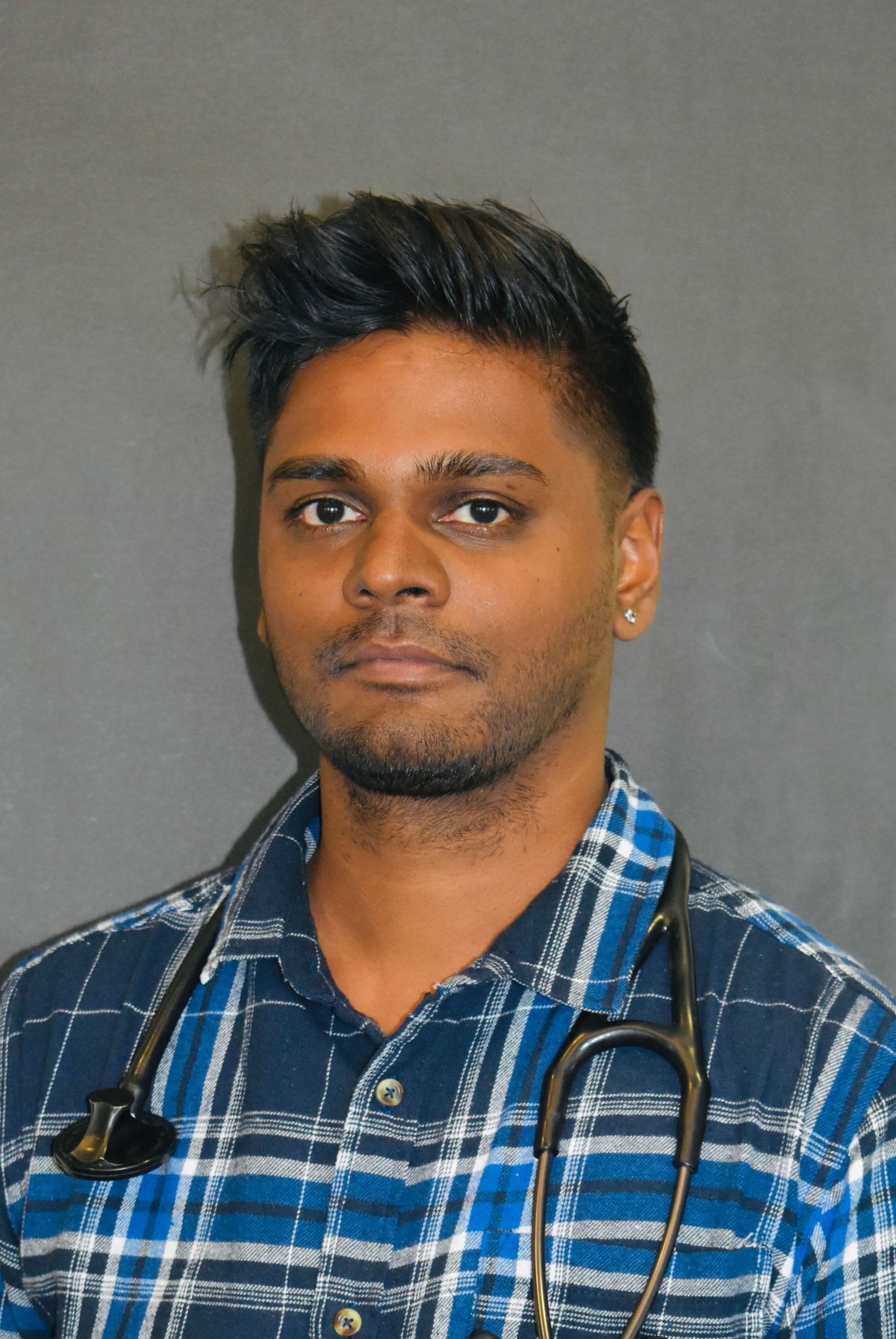
Dr. Avin Arjoonsingh
Lecturer Small Animal Internal Medicine at The University of the West Indies, School of Veterinary Medicine
Dr. Arjoonsingh DVM MS Diplomate ACVIM (SAIM) graduated from the University of the West Indies, School of Veterinary Medicine where he worked as a clinical teaching assistant.
Read more about Dr. Arjoonsingh
He then did a rotating internship with IM focus at Tuskegee University, then a combined internal medicine residency and master’s in veterinary science at Washington State University. He was then a clinical assistant professor at University of Florida, before returning to his alma mater at UWI School of Veterinary Medicine. His clinical interests are endocrinology and haematology but most importantly, clinical education and providing mentorship to students, interns, and residents.
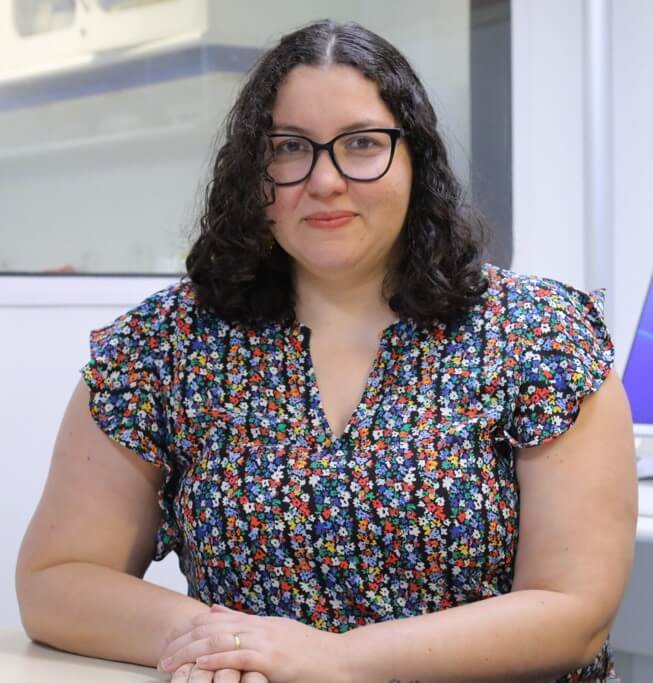
Dr. Maria Clara Alves Santarém
Assistant curator of the Ceratopogonidae Collection from Fiocruz (Brazil)
Dr. Maria Clara Alves Santarém is a biologist, a Master in Zoology and a PhD in Biodiversity and Health.
Read more about Dr. Alves Santarém
She is currently the assistant curator of the Ceratopogonidae Collection from Fiocruz (Brazil), where she studies the taxonomy and bioecology of Neotropical Ceratopogonidae, with a particular interest in the genus Culicoides. During the recent Oropouche outbreak, she has been training professionals in vector surveillance.
Dr. Jake Wolf
Clinical Assistant Professor
Dr. Jake Wolf, DVM, DACVECC is a clinical assistant professor and co-service chief of emergency and critical care at the University of Florida College of Veterinary Medicine.
Read more about Dr. Wolf
He received his Bachelor of Arts in religion from the George Washington University, his DVM from Cornell University, and completed his rotating internship and residency at the University of Pennsylvania. His research focuses on cardiopulmonary resuscitation, antimicrobial therapy, and education.
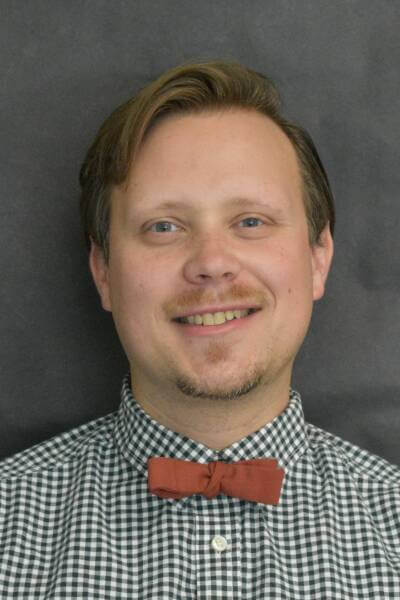
Dr. Jake Wolf
Clinical Assistant Professor
Dr. Jake Wolf, DVM, DACVECC is a clinical assistant professor and co-service chief of emergency and critical care at the University of Florida College of Veterinary Medicine.
Read more about Dr. Wolf
He received his Bachelor of Arts in religion from the George Washington University, his DVM from Cornell University, and completed his rotating internship and residency at the University of Pennsylvania. His research focuses on cardiopulmonary resuscitation, antimicrobial therapy, and education.

Dr. Rosette Chinpire
Practice owner and Veterinarian at Pets First Veterinary Clinic
Dr. Rosette Chinpire obtained her DVM from The School of Veterinary Medicine, UWI, Trinidad and Tobago (2008).
Read more about Dr. Chinpire
She is a Practice owner and Veterinarian at Pets First Veterinary Clinic (established Sept 2009). She was an Emergency and critical care intern at Washington State University, Pullman, WA (2023-2024)
Dr. Rachel Williams
Clinical Assistant Professor, Small Animal Surgery at The University of Florida College of Veterinary Medicine
Dr. Rachel Williams is a clinical assistant professor of small animal surgery at the University of Florida.
Read more about Dr. Williams
She obtained her DVM from Western University of Health Sciences in 2017 and subsequently completed a rotating internship at Angell Animal Medical Centre followed by a surgery residency at the University of Pennsylvania. She furthered her education by completing a Minimally Invasive Surgery Fellowship in small animal soft tissue surgery. Her clinical interests include improving patient outcomes through innovative solutions to improve access of care, decreasing morbidity via minimally invasive surgery, as well as skin and reconstructive surgery.
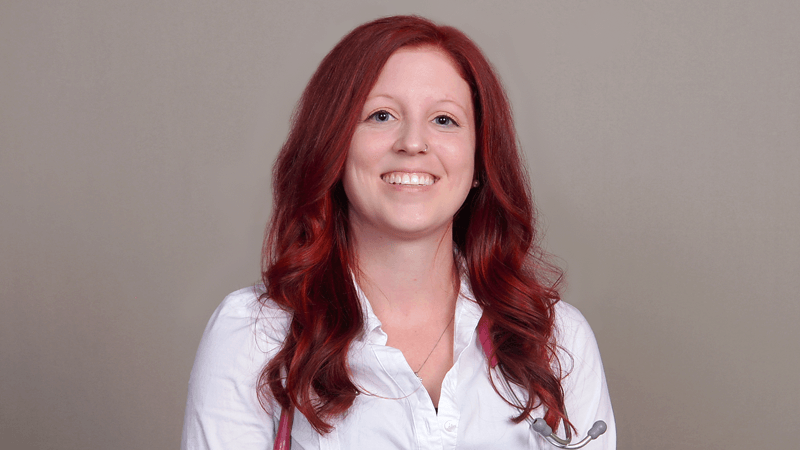
Dr. Rachel Williams
Clinical Assistant Professor, Small Animal Surgery at The University of Florida College of Veterinary Medicine
Dr. Rachel Williams is a clinical assistant professor of small animal surgery at the University of Florida.
Read more about Dr. Williams
She obtained her DVM from Western University of Health Sciences in 2017 and subsequently completed a rotating internship at Angell Animal Medical Centre followed by a surgery residency at the University of Pennsylvania. She furthered her education by completing a Minimally Invasive Surgery Fellowship in small animal soft tissue surgery. Her clinical interests include improving patient outcomes through innovative solutions to improve access of care, decreasing morbidity via minimally invasive surgery, as well as skin and reconstructive surgery.

Dr. Siobhan Bridglalsingh
Lecturer in the Department of Clinical Sciences at the School of Veterinary Medicine, The University of the West Indies
Dr. Siobhan Bridglalsingh hails from the twin island Republic of Trinidad and Tobago. She obtained her DVM from the School of Veterinary Medicine at The University of the West Indies, St. Augustine Campus in Trinidad in 2005 then served as a teaching assistant then assistant lecturer at the veterinary teaching hospital at her alma mater.
Read more about Dr. Bridglalsingh
An interest in veterinary education led her to completion of a Masters in Higher Education Teaching and Learning in 2016 followed by desire to perform research in companion animal nutrition via a PhD program at the College of Veterinary Medicine, University of Georgia (UGA). After completion of the PhD in 2020. Further residency training in veterinary clinical nutrition (small animal track) was completed by 2023 at UGA. Dr. Bridglalsingh currently serves as a tenured lecturer in the Department of Clinical Sciences at the School of Veterinary Medicine, The University of the West Indies. In this role, she functions as faculty of the vet school, serves as a board member of the Mark Morris Institute, reviews manuscripts in scholarly journals, is a member and assistant chair for committees of the American College of Veterinary Internal Medicine (Nutrition) and continues research into pet food processing, advanced glycation end product in diets and biofluids, and their effects on canine health and disease. Dr. Bridglalsingh is committed to dissemination of knowledge about small animal clinical nutrition as this is a relatively new field in veterinary medicine with very few veterinary schools having a Board-certified veterinary nutritionist as faculty.
Dr. Beatriz Martínez-López
Professor of infectious disease epidemiology at UC Davis and Director of the Center for Animal Disease Modeling and Surveillance
Dr. Beatriz Martínez-López, D.V.M, M.P.V.M., Ph.D., is Professor of infectious disease epidemiology at the Department of Medicine & Epidemiology, Veterinary School, UC Davis and Director of the Center for Animal Disease Modeling and Surveillance (CADMS, https://cadms.vetmed.ucdavis.edu) since January 2014, a recognized FAO Reference Center for Veterinary Epidemiology.
Read more about Dr. Martínez-López
She has more than 150 publications related with the development and implementation of quantitative methods such as epidemiological modeling, risk assessment, geostatistical methods or network analysis to unravel complex epidemiological problems at the wild-domestic-human interface. Currently, she is leading the development, implementation and validation of novel Big Data analytical and visualization tools and their integration into operational, web-based, user-friendly platforms such as the Disease BioPortal (http://bioportal.ucdavis.edu/) to more timely support animal health decisions in livestock and aquaculture industries.
Dr. Martínez-López currently teaches mostly graduate courses such as “Applied Epidemiology Problem solving”, “Infectious Disease Epidemiology”, “Health and Ecological Risk Analysis” and “Spatial Epidemiology”. Those courses are mainly offered to students in the Master of Preventive Veterinary Medicine (MPVM), the Master of Public Health (MPH) and the Graduate Group of Epidemiology (GGE), although other students from other graduate groups are also welcome. She currently mentors more than 10 graduate and undergraduate students and participates annually in several training and technology transfer activities with veterinary services or public health departments in many different countries.
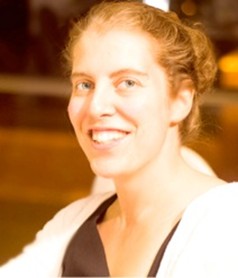
Dr. Beatriz Martínez-López
Professor of infectious disease epidemiology at UC Davis and Director of the Center for Animal Disease Modeling and Surveillance
Dr. Beatriz Martínez-López, D.V.M, M.P.V.M., Ph.D., is Professor of infectious disease epidemiology at the Department of Medicine & Epidemiology, Veterinary School, UC Davis and Director of the Center for Animal Disease Modeling and Surveillance (CADMS, https://cadms.vetmed.ucdavis.edu) since January 2014, a recognized FAO Reference Center for Veterinary Epidemiology.
Read more about Dr. Martínez-López
She has more than 150 publications related with the development and implementation of quantitative methods such as epidemiological modeling, risk assessment, geostatistical methods or network analysis to unravel complex epidemiological problems at the wild-domestic-human interface. Currently, she is leading the development, implementation and validation of novel Big Data analytical and visualization tools and their integration into operational, web-based, user-friendly platforms such as the Disease BioPortal (http://bioportal.ucdavis.edu/) to more timely support animal health decisions in livestock and aquaculture industries.
Dr. Martínez-López currently teaches mostly graduate courses such as “Applied Epidemiology Problem solving”, “Infectious Disease Epidemiology”, “Health and Ecological Risk Analysis” and “Spatial Epidemiology”. Those courses are mainly offered to students in the Master of Preventive Veterinary Medicine (MPVM), the Master of Public Health (MPH) and the Graduate Group of Epidemiology (GGE), although other students from other graduate groups are also welcome. She currently mentors more than 10 graduate and undergraduate students and participates annually in several training and technology transfer activities with veterinary services or public health departments in many different countries.

Dr. Hebert Trenchi
Veterinarian and poultry science specialist
Dr. Hebert Trenchi, born in Montevideo, Uruguay, is a renowned veterinarian and poultry science specialist with over 40 years of experience. He earned his Doctor of Veterinary Medicine degree in 1975 and completed postgraduate studies in Agribusiness at ORT University.
Read more about Dr. Trenchi
He also pursued advanced training in multiple countries, including the Netherlands, Brazil, Israel, and the United States. Dr. Trenchi taught Poultry Pathology and Production for 37 years at the University of the Republic, serving 32 years as Associate Professor and 16 years as head of the area. Internationally, he has consulted for the FAO in Bolivia, advised EU-supported poultry initiatives in Paraguay, and worked with poultry industries and investment groups across Latin America. He has delivered 130 lectures, published 72 papers in 16 countries, and received major honors including Distinguished Professional at the 2003 Latin American Poultry Congress and induction into the Latin American Poultry Hall of Fame (2017). He currently coordinates the Technical and Scientific Institute of the Latin American Poultry Association (ALA).
Dr. Nneka E. A. Hull James
Animal Health Specialist at the Caribbean
Agricultural Health and Food Safety Agency (CAHFSA)
Dr. Nneka Hull James is a proud graduate of the University of the West Indies, where she
earned her Doctor of Veterinary Medicine at the UWI-SVM, before pursuing a Master of Public
Health at University College Dublin. She practiced as a veterinary officer for nine years in the
Ministry of Agriculture of Antigua and Barbuda, responsible for mitigating the entry and
spread of diseases in animals and managed her mobile veterinary practice – HJ Veterinary
Services.
Read more about Dr. Hull James
Her passion for the interconnectedness of animal, human, and environmental health
continues to shape her professional journey today.
Dr. Hull James currently serves CARICOM as the Animal Health Specialist at the Caribbean
Agricultural Health and Food Safety Agency (CAHFSA), headquartered in Suriname. There
she leads the coordination and harmonisation of regional animal health policy and programme
development through her work with the CARICOM Committee of Chief Veterinary Officers
and technical partnership with the World Organisation of Animal Health (WOAH). As a UWI
Climate Change and Health Leadership Fellow, she champions the integration of climate resilient, multisectoral approaches to agricultural health.
Dr. Hull James is also deeply rooted in service to humanity and development of young leaders
through her work with Junior Chamber International (JCI). Her experiences include serving as
national steering committee member of the Global Environment Facility Small Grants
Programme and the Antigua and Barbuda Pesticides and Toxic Chemicals and Control Board.
She is a recipient of the National Youth Award for Professionalism, a certified Food Safety
Risk Analyst and a UWI Climate Change and Health fellow. Her impact and contributions
extend globally through her work as a Member of the Editorial Board for Animal Behaviour
and Welfare of the Centre for Agriculture and Bioscience International (CABI) and a member
of the Society for Veterinary Epidemiology and Preventive Medicine. Dr. Hull James is a proud
national of Antigua and Barbuda and has a zeal for inspiring and empowering those around
her.
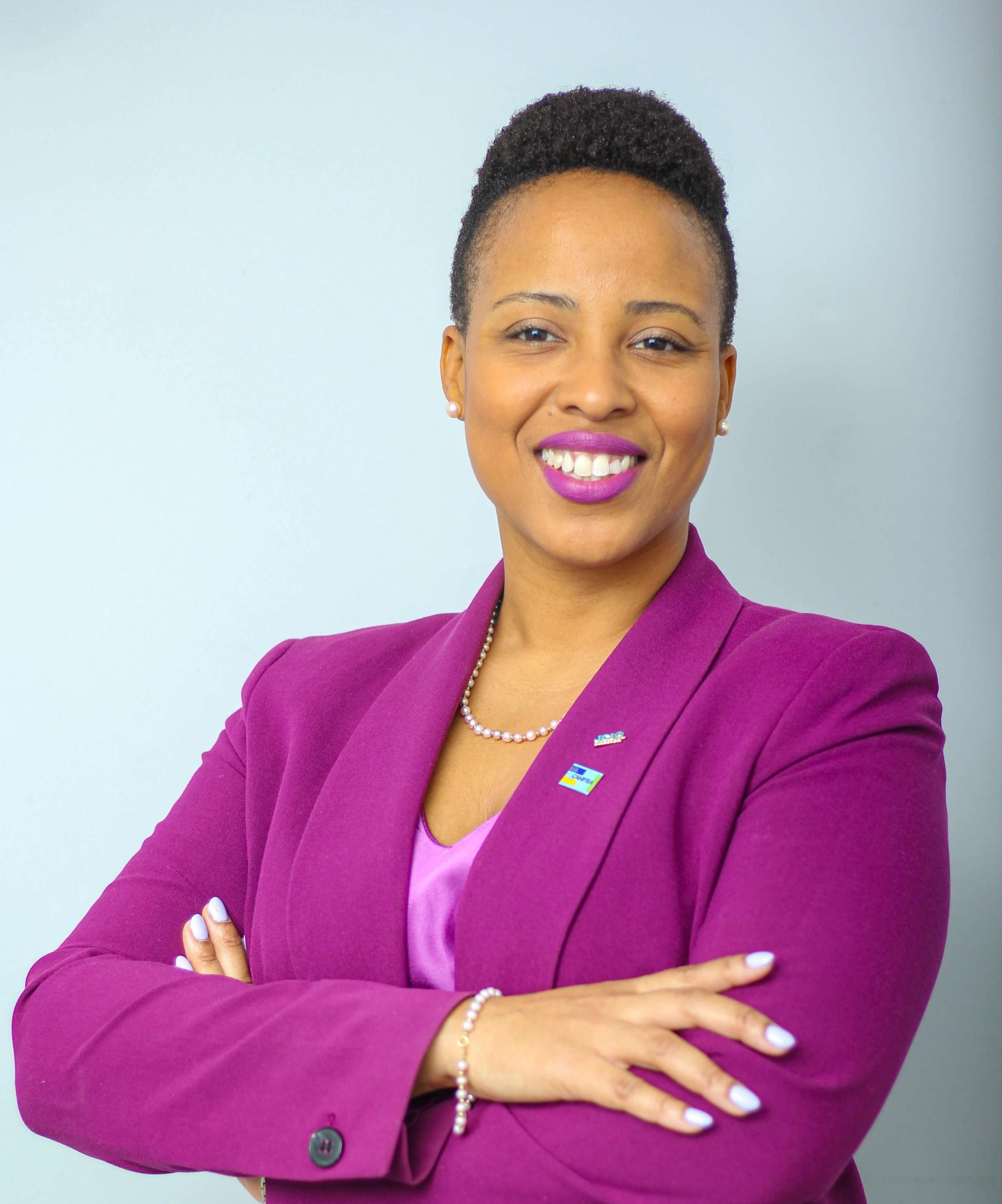
Dr. Nneka E. A. Hull James
Animal Health Specialist at the Caribbean
Agricultural Health and Food Safety Agency (CAHFSA)
Dr. Nneka Hull James is a proud graduate of the University of the West Indies, where she
earned her Doctor of Veterinary Medicine at the UWI-SVM, before pursuing a Master of Public
Health at University College Dublin. She practiced as a veterinary officer for nine years in the
Ministry of Agriculture of Antigua and Barbuda, responsible for mitigating the entry and
spread of diseases in animals and managed her mobile veterinary practice – HJ Veterinary
Services.
Read more about Dr. Hull James
Her passion for the interconnectedness of animal, human, and environmental health
continues to shape her professional journey today.
Dr. Hull James currently serves CARICOM as the Animal Health Specialist at the Caribbean
Agricultural Health and Food Safety Agency (CAHFSA), headquartered in Suriname. There
she leads the coordination and harmonisation of regional animal health policy and programme
development through her work with the CARICOM Committee of Chief Veterinary Officers
and technical partnership with the World Organisation of Animal Health (WOAH). As a UWI
Climate Change and Health Leadership Fellow, she champions the integration of climate resilient, multisectoral approaches to agricultural health.
Dr. Hull James is also deeply rooted in service to humanity and development of young leaders
through her work with Junior Chamber International (JCI). Her experiences include serving as
national steering committee member of the Global Environment Facility Small Grants
Programme and the Antigua and Barbuda Pesticides and Toxic Chemicals and Control Board.
She is a recipient of the National Youth Award for Professionalism, a certified Food Safety
Risk Analyst and a UWI Climate Change and Health fellow. Her impact and contributions
extend globally through her work as a Member of the Editorial Board for Animal Behaviour
and Welfare of the Centre for Agriculture and Bioscience International (CABI) and a member
of the Society for Veterinary Epidemiology and Preventive Medicine. Dr. Hull James is a proud
national of Antigua and Barbuda and has a zeal for inspiring and empowering those around
her.
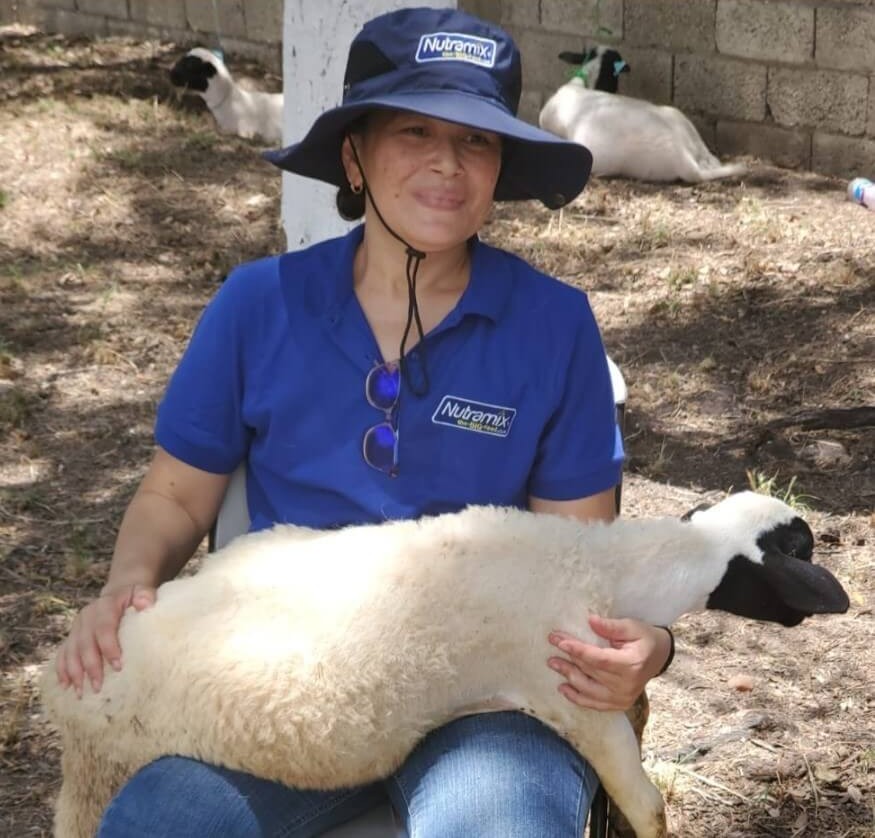
Dr. Gabrielle Young
Certified FAMACHA trainer and Sustainable Veterinarian
Born in the twin island republic of Trinidad and Tobago, Gabrielle has always had a calling to help and care for those who cannot speak for themselves- animals. This led her to study Veterinary Medicine at The University of The West Indies where she graduated with honors.
Read more about Dr. Young
Shortly after graduation she was offered a position to practice Veterinary Medicine at the J.S.P.C.A where she worked with every species presented at the clinic. An opportunity came knocking to venture more into Food Animals with an offer from Jamaica Livestock Association to be a field veterinarian and focus more on the farm type animals. While her short stint at JLA, Gabrielle decided to do a Master’s of Science in Livestock Health and Reproduction which propelled her to her next adventure at Caribbean Broilers. Gabrielle has been with CB for over 23 years working in the field and major projects. She left for three years to do a Residency at North Carolina State University to further specialized in Ruminant Health and Reproduction. She took all these training, returned and contributed to the Caribbean. Gabrielle has worked with Food and Agriculture Organization (FAO) on National projects, also in the wider Caribbean, namely Guyana, Barbados, Dominica, St. Lucia and St. Vincent. She has worked with other NGO including IICA and consulted with various Governments on Agricultural projects.
Gabrielle operates a 38 acres farm with sheep, goats and cattle. She applies all breeding technologies on her own farm including artificial insemination and embryo transfer, a certified FAMACHA trainer and Sustainable Veterinarian. Trinjam Farm has launched a line of pasteurized goats’ milk, yogurt made with goat’s milk and goat cheese. She is a mother of two rumbunctious boys that share the same passions. The boys attend all agricultural shows and are often seen walking sheep, goats or cattle in the show ring. Trinjam Farms has won Champion Sheep farmer for 4 years in a row and many other titles at the Denbigh Agricultural Show. She assists with building sustainable and profitable livestock sectors for the Caribbean.